
Neuralink Updates 2025: Progress in Human Trials with Brain Computer Interface Technology for Medical Applications
Neuralink, a pioneering company led by Elon Musk, continues to push the boundaries of brain-computer interface (BCI) technology. As of 2025, Neuralink updates 2025 reveal significant progress in their mission to create a seamless connection between the human brain and computers using their innovative N1 implant chip. This breakthrough holds the potential to revolutionize medical treatment, especially for paralysis and neurological conditions, while opening the door to future human-AI symbiosis. In this article, we’ll explore the latest advances in Neuralink’s human trials, the basics of brain-computer interfaces, ethical considerations, and how this technology is shaping the global landscape — including in places like India.
Understanding Brain Computer Interface and Neuralink’s N1 Implant Chip
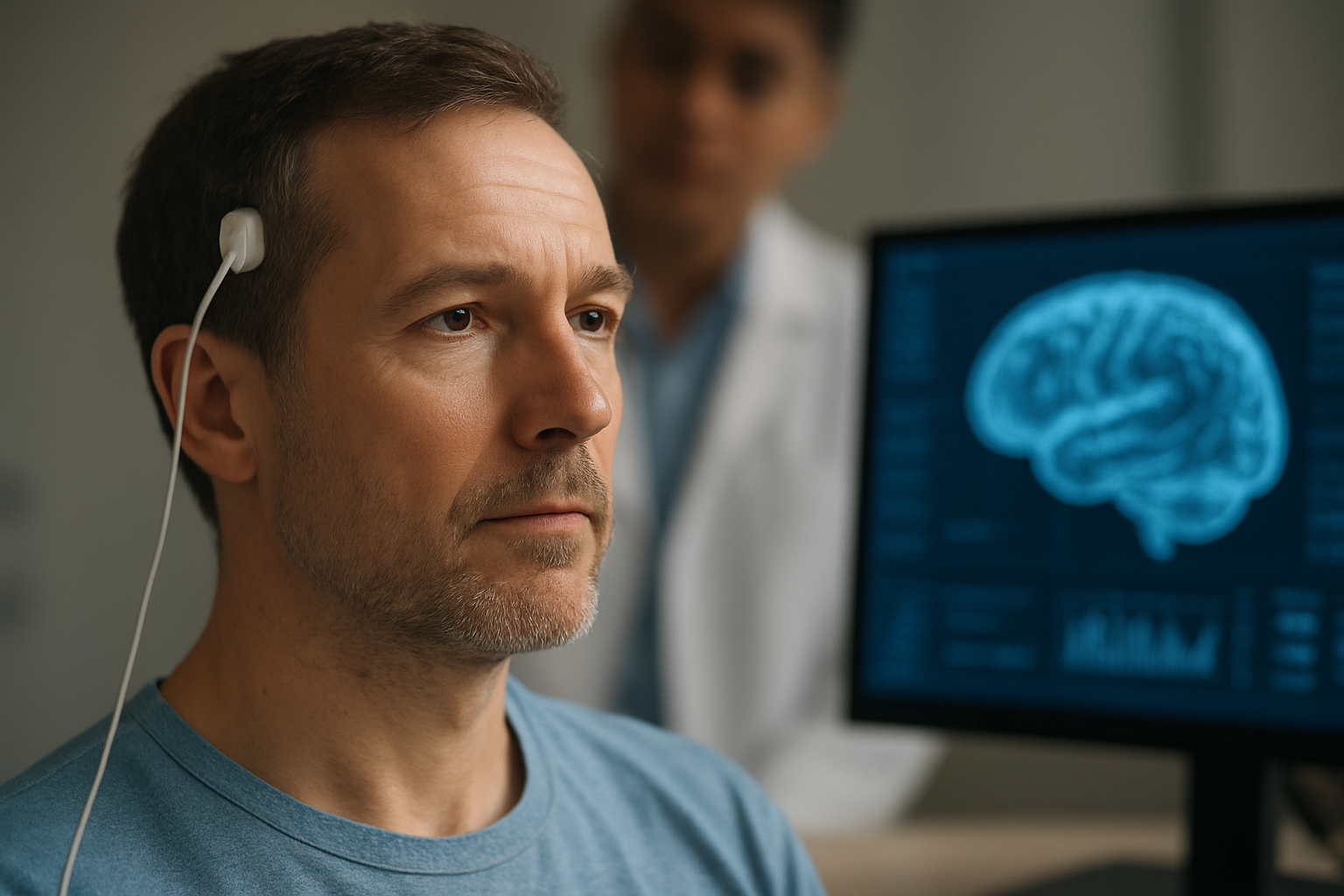
Brain computer interface technology allows direct communication between the brain and external devices. Neuralink’s flagship device, the N1 implant chip, is a tiny wireless implant designed to read and interpret brain signals with high precision. Unlike bulky, wired systems, the N1 chip offers a minimally invasive solution that can be implanted through a robotic surgery process, reducing risks and speeding recovery.
Some key features of the N1 implant include:
- Wireless brain signal reading: No external cables, making daily use practical.
- High bandwidth: Enables rapid communication with computers.
- FDA-approved human trials: Neuralink is conducting controlled studies to ensure safety and efficacy.
This progress marks a huge leap in BCI technology progress, moving from lab experiments to real-world medical applications.
FDA-Approved Human Trials and Medical Focus
One of the most exciting developments in Neuralink updates 2025 is the FDA-approved human trials underway. These trials primarily focus on helping individuals with paralysis regain control over digital devices and improve their quality of life. The implant can potentially restore movement and communication by interpreting neural signals that were previously lost due to spinal cord injury or neurological disorders.
Current medical applications include:
- Restoring movement in patients with spinal cord injuries.
- Assisting those with ALS or other neurodegenerative diseases.
- Enabling communication through thought-controlled interfaces.
While initial trials center on medical conditions, Elon Musk envisions broader uses. He sees this technology evolving toward human-AI symbiosis, where brain implants eventually enhance memory, cognition, and digital interaction for healthy individuals.
Ethical Considerations and Global Regulatory Landscape
With revolutionary technology comes complex ethical questions. Issues include privacy of neural data, consent in vulnerable populations, and long-term effects of implants. Neuralink and the broader BCI research community are actively discussing these to ensure responsible development.
The regulatory environment varies greatly worldwide. For instance:
- In the United States, the FDA’s approval process has paved the way for clinical trials.
- In India, the regulatory landscape for neural implant India remains cautious but open. Discussions focus on device safety, data protection, and infrastructure readiness. India’s growing tech and medical sectors show interest, but strict guidelines will be necessary before widespread use.
Such considerations will shape how quickly and widely BCI technology can be adopted globally.
Neuralink Compared with Other BCI Research Efforts
Neuralink’s work often stands out in comparison with other BCI projects because of its focus on ease of use, wireless technology, and scaling for human applications. Other notable initiatives include:
- University-led research with more invasive methods.
- Companies developing non-invasive BCIs using EEG or fNIRS.
- Projects targeting specific medical issues with tailored implants.
Neuralink’s combination of high data capacity, wireless connectivity, and surgical automation could set a new standard in the field. Yet, collaboration and competition will accelerate innovation.
Future Prospects: From Medical Uses to Consumer Applications
While helping patients is the immediate goal, Neuralink’s vision doesn't stop there. The long-term dream envisions implants enhancing human cognition, memory, and interaction with AI — possibly changing how we work, learn, and communicate.
Key future expectations include:
- Affordable, scalable neural implants (with attention to price to ensure accessibility).
- Integration with AI to assist thinking and creativity.
- Real-time monitoring of brain health to prevent or detect illness earlier.
These breakthroughs could revolutionize medical treatment and human-computer interaction globally.
Monitoring Technology and Its Potential to Revolutionize Medicine and Interaction
Neural implants like the N1 offer a unique form of bi-directional monitoring. This means they can both read brain signals and potentially send targeted stimulation to affected areas. This opens new possibilities for:
- Treating epilepsy, depression, or Parkinson’s disease.
- Customizing therapies based on real-time brain data.
- Creating personalized neurofeedback for mental wellbeing.
As this technology matures, health monitoring could become continuous, non-invasive, and extremely precise — transforming medicine from reactive to proactive care.
Summary and Takeaway
Neuralink updates 2025 highlight a remarkable journey from concept to practical human trials using cutting-edge BCI technology. With the N1 implant chip, FDA-approved trials, and a focus on severe neurological conditions, Neuralink is poised to create a medical and technological revolution. Meanwhile, the ethical and regulatory frameworks, including in neural implant India and beyond, will be key in guiding safe and equitable adoption.
As we watch this exciting story unfold, it’s worth exploring what brain-computer interfaces mean for the future — not just for patients, but for everyone who may someday interact directly with computers and AI through their own minds.
Are you curious about BCI technology and how Neuralink might impact healthcare and everyday life? Stay informed, follow official Neuralink updates 2025, and join the conversation about the future of human-AI connections.